

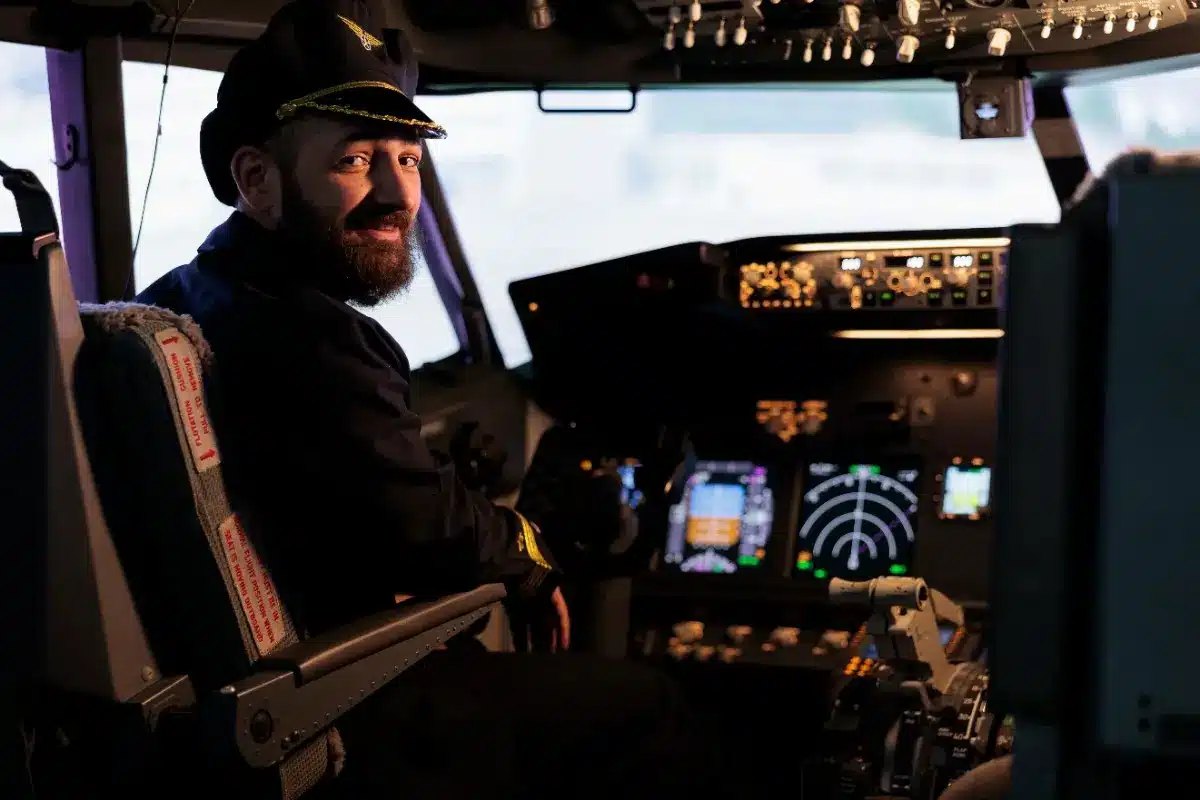
Becoming a pilot is a dream career for many Indian students who love flying and aviation. The global aviation industry is growing fast. Many students now prefer to do pilot training abroad. Countries like the USA, Canada, Australia and parts of Europe have aviation programs with modern infrastructure and international exposure. This is where experienced study abroad consultants can help students choose the right country and aviation academy.
If you want to do pilot training you need to know the eligibility requirements, pilot course fees and advantages of choosing places like the USA for aviation programs.
Why Choose Pilot Training Abroad?
Many students prefer aviation academies because of:
- Advanced aircraft and simulators
- International flying exposure
- High safety standards
- Globally recognized licenses
- Better training hours
Pilot training abroad can give you career opportunities in global airlines.
Types of Pilot Training Programs
Before you think about pilot course fees you need to know the licenses:
1. Private Pilot License (PPL)
This is the level of pilot training. It lets you fly aircraft for personal use.
2. Commercial Pilot License (CPL)
You need CPL to work as a pilot in airlines.
3. Airline Transport Pilot License (ATPL)
This is the level of certification. You need it to be a captain in airlines.
Most students who want to work in airlines do CPL and then ATPL.
Eligibility Criteria for Pilot Training Abroad
To enroll in pilot training you must:
- Be 17–18 years old (varies by country)
- Have completed grade with Physics and Mathematics
- Be fit (Class 1 medical certificate)
- Have good English language skills
Students who want to study in the USA for aviation must also meet visa and English requirements.
Academic Requirements
For admission into international aviation academies you need:
- 10+2 qualification with Physics and Mathematics
- passing marks (varies by academy)
- A valid passport
Medical Requirements
Medical fitness is crucial for pilot training. You must:
- Pass a Class 1 examination
- Have eyesight (corrected vision allowed in many cases)
- Be fit
Pilot Course Fees Abroad
One of the important things to consider is pilot course fees. The cost of pilot training abroad depends on:
- Country of training
- Type of license
- Flight hours required
- Academy reputation
Approximate pilot course fees for CPL abroad:
USA: $50,000 to $80,000
Canada: $45,000 to $75,000
Australia: $60,000 to $90,000
These costs usually include:
- Ground training
- Flight training hours
- Simulator sessions
- Examination fees
Students who want to study in the USA for aviation often choose the USA because of fees and flexible training schedules.
Cost of Living Abroad
Apart from pilot course fees you should consider:
- Accommodation expenses
- Food and daily living costs
- Transportation
- Insurance
Living costs in the USA may range between $800 to $1,500 per month depending on the city.
Why Study in USA for Pilot Training?
The USA is a destination for pilot training because of:
- Large airspace for flight practice
- Favorable weather conditions
- Modern training aircraft
- Flexible flying hours
- Globally recognized FAA license
Choosing to study in the USA lets you gain high-quality aviation experience.
Career Opportunities After Pilot Training
After completing pilot training you can work as:
- Pilots
- Charter pilots
- Cargo pilots
- Flight instructors
With global aviation demand increasing trained pilots have excellent career prospects.
Duration of Pilot Training
The duration of pilot training depends on:
- Type of license
- Student performance
- Weather conditions
- Flight hour completion
Typically CPL programs take 12 to 24 months.
Challenges of Pilot Training Abroad
While pursuing pilot training abroad has advantages students should consider:
- High pilot course fees
- Intensive training schedule
- Strict medical standards
- Visa requirements
Planning and financial preparation are essential.
If you are planning to pursue pilot training abroad, choosing the right aviation academy and country is important. Compare pilot course fees, training duration, licensing requirements, accommodation costs, and career opportunities before applying. Professional study abroad consultants can also guide students with university selection, applications, visa processing, and pre-departure support.
Last Thoughts
Pursuing pilot training abroad is a choice for students who want an international aviation career. Understanding eligibility requirements, medical standards and pilot course fees is essential, before making a decision. Choosing to study in the USA for aviation programs offers training facilities, global exposure and strong career opportunities. With the preparation and dedication students can achieve their dream of becoming a commercial pilot.
Frequently Asked Questions ( FAQ )
1. What are the eligibility requirements for pilot training abroad?
Students generally need 10+2 with Physics and Mathematics, meet age requirements, pass a Class 1 medical examination, and demonstrate English proficiency.
2. How much does pilot training cost abroad?
Pilot training costs vary by country and academy. CPL training may cost approximately $45,000 to $90,000, excluding some living expenses.
3. Why is the USA popular for pilot training?
The USA offers modern aircraft, extensive airspace, flexible training schedules, favorable flying conditions, and FAA licensing opportunities for aspiring commercial pilots.
4. How long does commercial pilot training take abroad?
Commercial pilot training usually takes around 12 to 24 months, depending on weather, training schedules, flight hours, student performance, and licensing requirements.
5. What license do I need to become a commercial pilot?
Students planning airline careers generally need a Commercial Pilot License first, followed by additional training and requirements needed for higher-level aviation certifications.
6. Can international students study pilot training in the USA?
Yes. International students can pursue pilot training in the USA if they meet academy admission, visa, medical, English language, and aviation requirements.